.jpg)
The expression”Birds of a Feather Flock Together” is widely used in English-speaking countries and has its origin in the observation of the behavior of flocks of birds, but it finds a clear parallel in human social organization.
So much so that there are other expressions with the same meaning, such as “flour of the same bag”, which speaks of the similarity between individuals, or the expression in Latin”Similes cum similibus congregantur” - Similar attracts like.
The problem with these expressions is that they imply that individuals must be similar to each other when, in reality, the unity factor is more focused on common problems.
Underlying cultural identity, common interests, and equivalent socioeconomic conditions are the same life challenges.
Similar ones group together not only by affinity, but by survival
In the wild, mixed flocks of birds, such as herons, spoonfuls, and ibises in the Pantanal, gather in common dormitories. The difference between them does not prevent collaboration when there is a collective threat.
This same principle is revealed in cities: entire neighborhoods are organized as “urban gangs”, composed of individuals who, although they may differ in tastes or ethnicities, share the same structural problems and life objectives.
That's where Mapfry's Geographic Segmentation comes in, a map with 421 unique cutouts.
More than geography, these data reflect how territory shapes the thinking, desire, and action of each social group.
True cohesion stems from a deep matrix: the sharing of obstacles.
Studies of urban communities have shown that affinity is not a social stratum, but a form of resistance.
An immigrant neighborhood is formed because its internal networks make the lives of its members easier, less vulnerable, and more predictable.
But not everything is survival, and it can also be dominance, as in luxury condominiums, where the search for security and status generates bubbles of social isolation, the logic of “like with like” can produce perverse stratifications.
Common pains can be organized into three types:
- Structural - basic and essential resources for life. Such as access to transportation, safety, health, food.
- Emotional - subjective needs, such as belonging, recognition, self-esteem.
- Functional - efficiency in everyday life, conditions in which life takes place, such as time lost in transportation, double working hours, high cost of food and housing.
Personas, an updated view
The idea of “personas” as detailed archetypes, for example, “a 35-year-old woman, HR manager, lives in Campinas and likes series”, is irrelevant to the territorial context.
Today, what matters is the reality that she shares with her neighbors, the replicable social experience.
When an excerpt detects that families in high-density, low-income urban areas have challenges preparing food, a brand can create products that last longer when not refrigerated.
We are not in the game of “personas”, but of ecosystems of pain and behavior.
The place is the destination
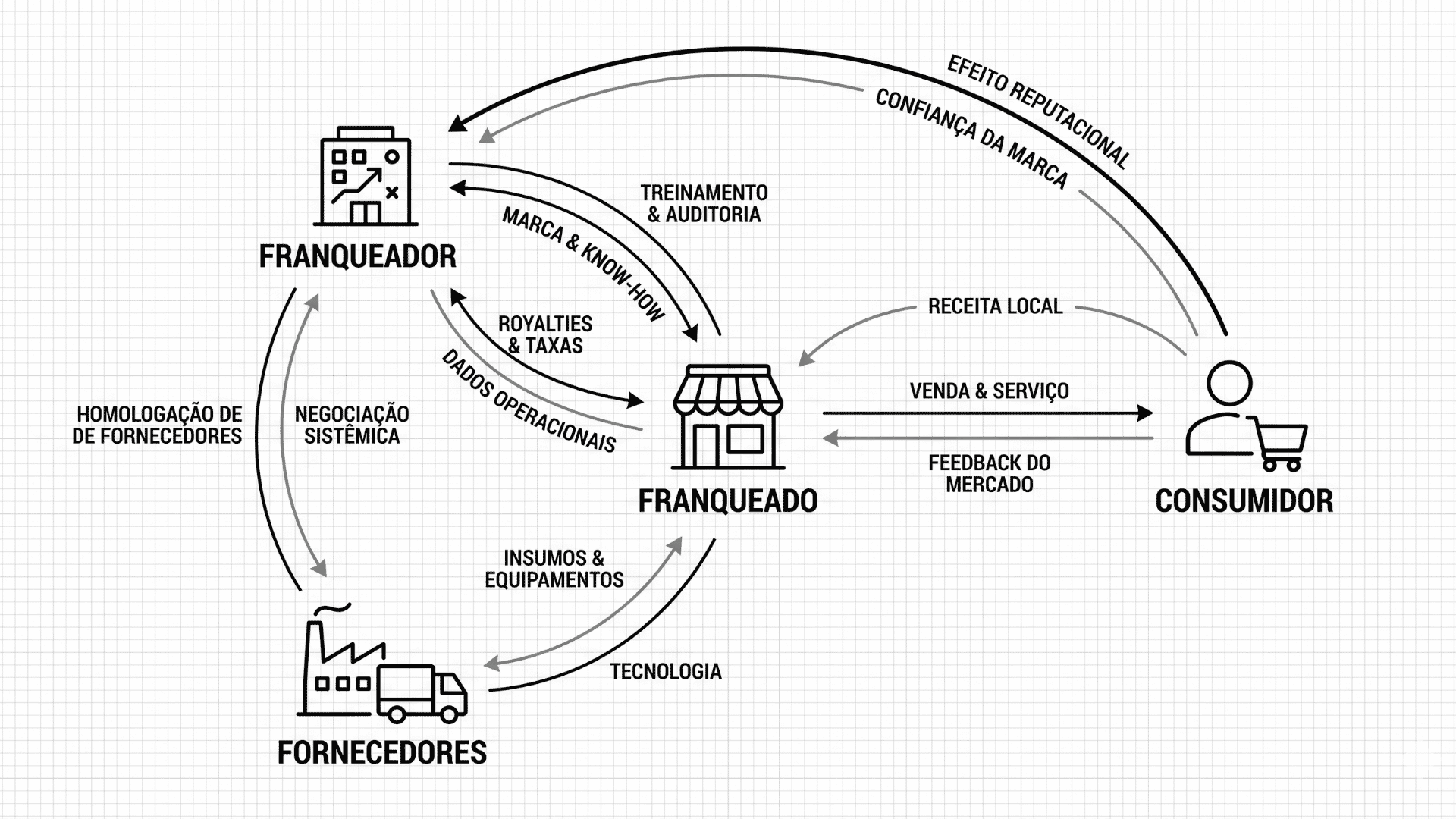
Imagine that you are about to open a new unit of a healthy food franchise.
You look at the map and you see two options:
- Elite neighborhood, with a high per capita income and people exercising in the morning.
- Mixed middle class neighborhood with lots of offices and gyms
The right answer does not come from the raw data, but from the intersection between behavior, challenges, and context.
What silent pains from the territories above does your brand connect with the most?
Ortobom
The Ortobom mattress franchise is among the largest chains in Brazil, because its focus is not only focused on social class.
It maps areas with a high concentration of people over 45, where the incidence of orthopedic problems and cases of “back pain” are more frequent.
In other words, the hammock is positioned where there is a need, and changing the mattress every couple of years is not perceived as a luxury.
Subway in flow territory
By analyzing source and destination data, the brand identifies places with high circulation of people at peak times and low time available for lunch.
There, a customizable and quick snack is the perfect answer to a context of haste and convenience.
Methodology
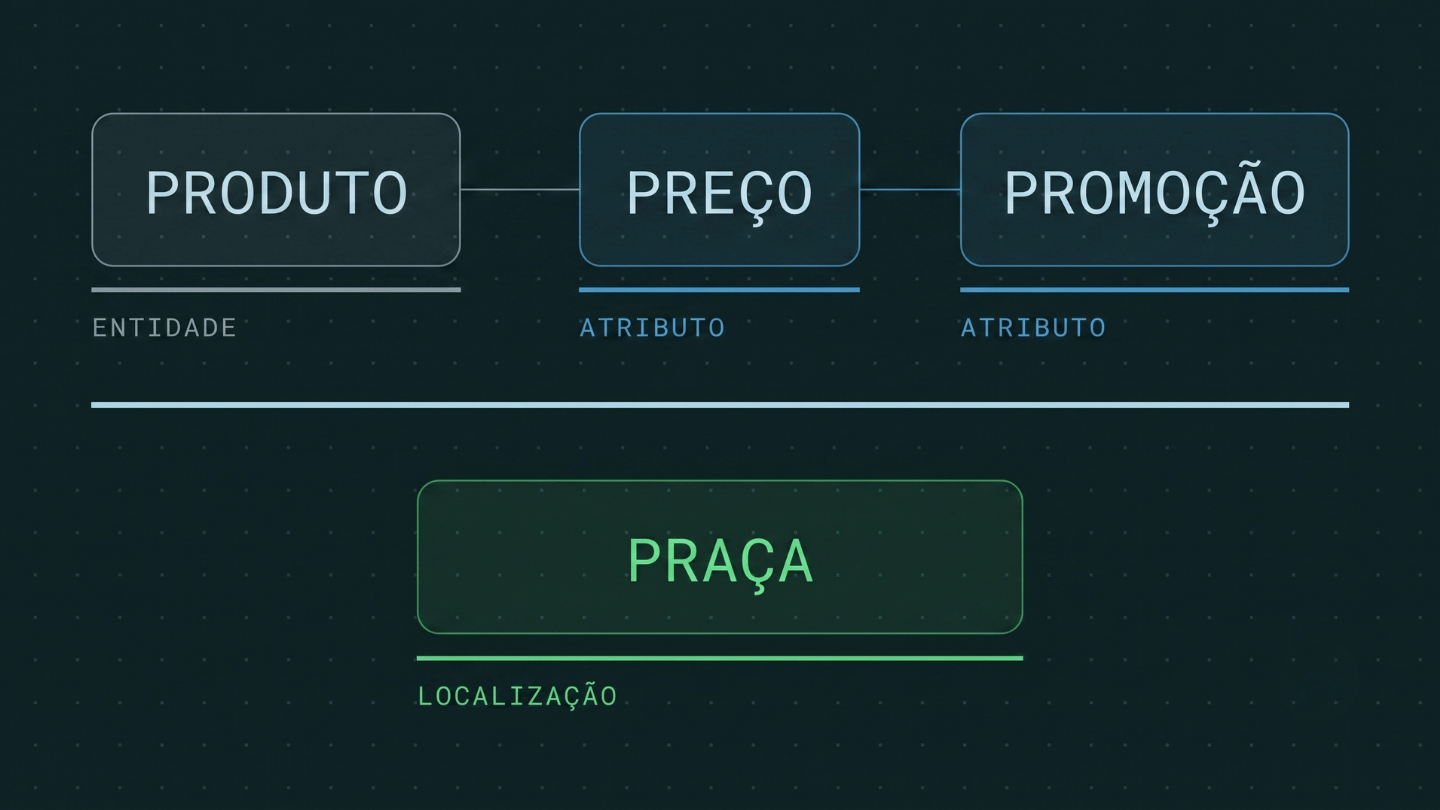
Mapfry's segmentation stems from the intersection of quantitative attributes, such as:
- Per capita income
- Type of housing
- Demographic density
- Schooling
- Family composition
- Home-to-work travel data
Added to cultural and behavioral signs less obvious:
- Expressions of social distinction (such as possession of assets and level of education)
- Forms of occupying urban space (subnormal, condominium, own home)
- Intensity of community ties (friendship, religion, neighborhood)
- Types of internet use and digital consumption
Instead of just quantifying, the Mapfry model is guided by a central concept: “shared pain”.
What unites the residents of a territory is not only the CEP, but the limitations they face together, and the solutions they build in spite of them.
Thus, categories such as:
“Difficult life”: in households composed of an adult with one or two children, without a formal partner, in low-income regions and limited access to public infrastructure.
“Rising middle class”: family composition of two young adults, without children, living for rent in upscale neighborhoods, with strong aspirational desire and investment in professional training.
“Elites”: mature adults, at the peak of their productive capacity, living in noble regions with their own property, high consumption standards and a high degree of symbolic distinction (use of brands, trips, private schools).
Birds of a Feather, We Should Stick Together
The song “Birds of a Feather” uses the metaphor of kinship to explore themes of love, emotional dependence, and deep connection.
These themes resonate with the principles of Mapfry Segmentation, which identifies how individuals with common experiences and challenges are grouped into specific communities.
When Billie Eilish sings, she's not just talking about love, she's invoking an instinctive logic of permanence, of mutual protection in the face of the unpredictable, just like birds do in the wild.